Showing posts with label in memory. Show all posts

Saturday, February 20, 2010

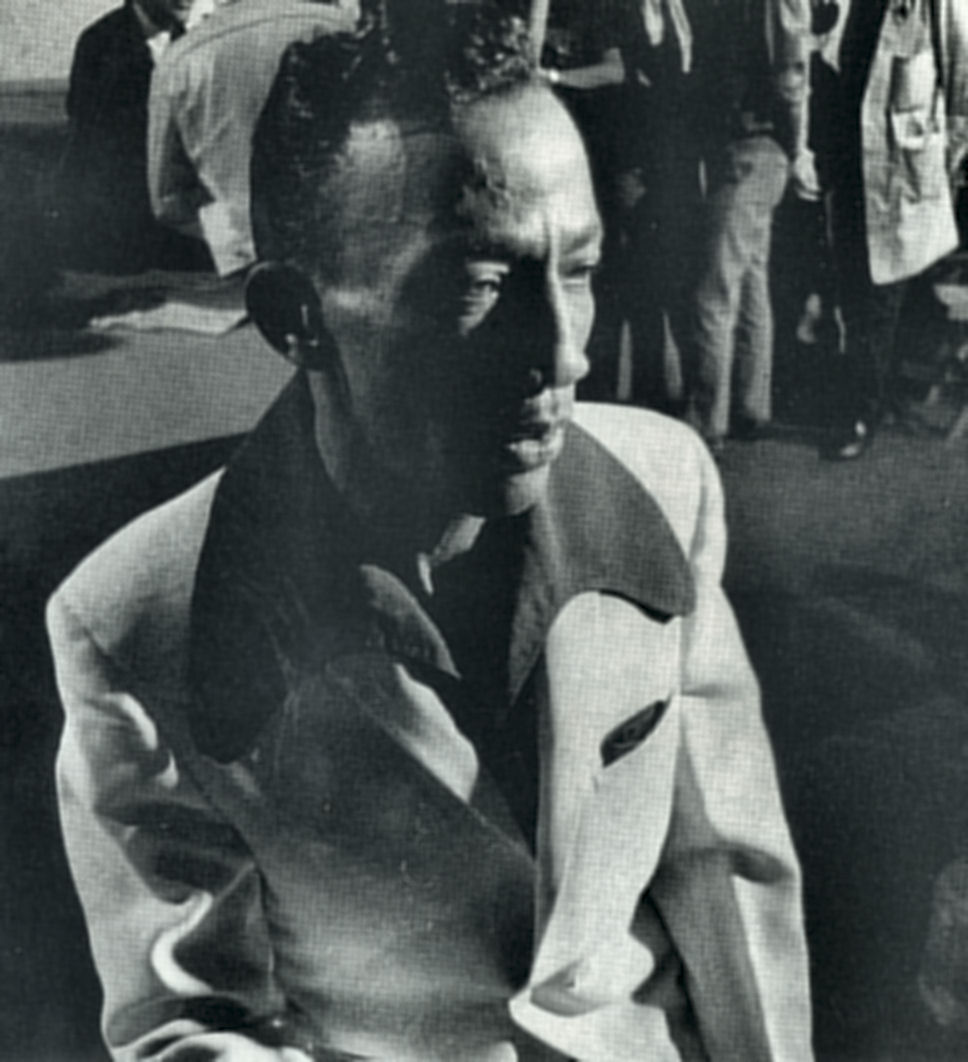
In Memory: Ernest “Doc” Watson


(June 2, 1932 – February 19, 2010)


“I like all kinds of music, but now I feel I owe it to myself and my musical heritage to keep this jazz going. Over the past twenty years, black musicians have more of an interest in preserving what we have done, and getting people to realize what we’ve done. We’ve contributed the only real American art form – jazz.
We shouldn’t change it every week, like pop music.”


At 77 years old, Ernest “Doc” Watson was the last surviving member of the old guard of The Olympia Brass Band, the enigmatic brass band led and popularized by Harold “Duke” Dejan and Milton Batiste. A musician all his life, Ernest started his journey as a French horn player with the Booker T. Washington High School Band. After switching to alto saxophone, he joined up with Ellis Marsalis in his early dance band, The Groovy Boys, before joining the service in 1952. It wasn’t until later, as a member of Little Millet and the Creoles, that Doc switched to tenor saxophone. Having spent much of the sixties playing with the Young Tuxedo Brass Band, Doc was approached by Harold Dejan to join the Olympia Brass Band as a replacement for David Grillier in the mid-seventies. He stayed through the group as long as it remained active, and continued to play weekly at Preservation Hall through the end of 2009.


He will be greatly missed.

Monday, December 1, 2008

In Memory: Lee Dorsey

(originally posted by themusicsover)

Lee Dorsey
December 24, 1924 - December 1, 1986

lee-dorsey

Lee Dorsey epitomized the loose, easygoing charm of New Orleans R&B perhaps more than any other artist of the ’60s. Working with legendary Crescent City producer/writer Allen Toussaint, Dorsey typically offered good-time party tunes with a playful sense of humor and a loping, funky backbeat. Even if he’s remembered chiefly for the signature hit “Working in a Coalmine,” it was a remarkably consistent and winning combination for the vast majority of his recording career. Dorsey was born in New Orleans on December 24, 1924 (although some sources list 1926), and moved to Portland, OR, at age ten. After serving in the Navy during WWII, Dorsey returned to Portland and became a successful light heavyweight boxer, fighting under the name “Kid Chocolate.” He retired from boxing in 1955 and returned to his birthplace, where he eventually opened a successful auto-body shop. He pursued a singing career by night, and wound up recording singles for several different labels, most of which made little noise (although “Lottie Mo” sold respectably). In 1961, he signed with Bobby Robinson’s Fury label, where he entered the studio with producer Allen Toussaint for the first time. Dorsey’s nonsense ditty “Ya Ya” — reportedly inspired by a children’s rhyme — became his first national hit that year, reaching the pop Top Ten and hitting number one on the R&B charts. Despite its popularity, following it up turned out to be difficult, and with a large family to support, Dorsey returned to his auto repair business after a few more singles flopped. Still, Allen Toussaint loved Dorsey’s voice, and kept him in mind for future sessions. Toussaint’s hunch paid off in 1965 when, signed to the Amy label, Dorsey turned “Ride Your Pony” into a Top Ten R&B hit. The accompanying album of the same name sold respectably as well, and Dorsey began cutting a multitude of Toussaint compositions, often with the legendary New Orleans funk ensemble the Meters as his studio backing band. The New Lee Dorsey was released later in 1966, and supplied Dorsey’s best-known song, the irresistible “Working in a Coalmine” (which he co-wrote with Toussaint). With its clanking sound effects and Dorsey’s comic exclamations, “Working in a Coalmine” became his second Top Ten pop hit and signature song, and Dorsey toured internationally with the Meters backing him up. A few follow-ups, particularly “Holy Cow” and “Everything I Do Gonh Be Funky (From Now On),” met with some success, but Dorsey was once again hard pressed to duplicate his big hit, and once again left music for the practical concern of running his business. 1970’s Yes We Can (on Polydor) was his last album for some time, with the title track becoming his last chart single.

He died in New Orleans on December 1, 1986.